Vitamin B Deficiency: Symptoms, Causes and Food Sources
Author:
/
Updated:
Fatigue, low energy, a general feeling of being unwell, and changes to the skin or oral mucosa are symptoms we often attribute to stress or a busy lifestyle. However, some of these symptoms may also be associated with a deficiency in certain B vitamins.
The B vitamin group includes several different vitamins, so there is no single, universal form of “vitamin B deficiency”. The body may lack one or more specific vitamins, and deficiencies can manifest in different ways.
In this article, we explain the most common symptoms of vitamin B deficiency, which foods contain B vitamins, who may be at greater risk of deficiency, and how inactive brewer’s yeast fits into a balanced diet.
At a Glance: What Are the Symptoms of Vitamin B Deficiency?
Depending on which specific B vitamin is lacking, symptoms may include:
For example, vitamin B1 plays an important role in energy metabolism and nervous system function, while vitamin B12 deficiency can cause fatigue, anaemia, and neurological symptoms.

What Are B Vitamins?
B vitamins are a group of water-soluble vitamins that perform different functions in the body. Many contribute to normal energy metabolism, nervous system function, and other essential physiological processes.
The B vitamin group consists of:
| Vitamin | Name | Main Functions |
|---|---|---|
| B1 | Thiamine | Energy metabolism and nervous system function |
| B2 | Riboflavin | Energy metabolism and maintenance of normal skin and mucous membranes |
| B3 | Niacin | Energy metabolism and nervous system function |
| B5 | Pantothenic acid | Energy metabolism and normal mental performance |
| B6 | Pyridoxine | Nervous system function, protein metabolism and immune system function |
| B7 | Biotin | Energy and macronutrient metabolism, maintenance of normal skin and hair |
| B9 | Folate | Blood formation and cell division |
| B12 | Cobalamin | Nervous system function and blood formation |
B vitamins are not interchangeable. Their dietary sources, required amounts, and potential causes of deficiency vary.
What Are the Symptoms of Vitamin B Deficiency?
Fatigue and Low Energy Levels
One of the most commonly reported symptoms associated with deficiencies in certain B vitamins is fatigue.
Vitamins B1, B2, B3, B5, B6, and biotin contribute to normal energy metabolism.
In the European Union, authorised health claims also recognise that certain B vitamins, including riboflavin, vitamin B6, and folate, contribute to the reduction of tiredness and fatigue.
However, fatigue is a highly non-specific symptom. It can be caused by insufficient sleep, stress, anaemia, thyroid disorders, infections, and many other conditions.
Therefore, feeling tired does not automatically mean that you are deficient in B vitamins.
Skin and Mucous Membrane Changes
Certain B vitamins contribute to maintaining the normal condition of the skin and mucous membranes.
For example, riboflavin and biotin contribute to the maintenance of normal skin.
An inadequate diet may be one of several factors affecting skin health. However, acne cannot be explained solely by a deficiency in B vitamins.
If you are concerned about problematic facial skin, read our article on ”Acne: How to Fight It?”.
Nervous System Changes
B vitamins are closely associated with normal nervous system function.
Vitamin B12 deserves particular attention.
A more pronounced vitamin B12 deficiency may be associated with fatigue, numbness, tingling, neurological changes, and anaemia.
Vitamin B12 deficiency can develop not only because of inadequate dietary intake but also due to impaired absorption or the use of certain medications.
If you experience unusual numbness in your hands or feet, pronounced weakness, or other neurological symptoms, consult a healthcare professional rather than experimenting with supplements.
Changes to the Mouth and Tongue
Deficiencies in certain B vitamins may cause changes to the oral mucosa or tongue.
Recurring problems, particularly when accompanied by weakness or fatigue, may be a reason to review your overall diet and consult a healthcare professional.
What Causes Vitamin B Deficiency?
A deficiency in B vitamins does not necessarily mean that someone simply consumes too few vitamins.
There are several possible causes:
For example, vitamin B12 levels may be affected by both inadequate dietary intake and absorption problems.
The US National Institutes of Health also notes that long-term use of certain medications that reduce stomach acid, as well as metformin, may be associated with reduced vitamin B12 levels.
Which Foods Contain B Vitamins?
There is no single best food source of all B vitamins. Different B vitamins can be obtained from different foods.
Useful dietary sources include:
Folate is naturally found in green leafy vegetables, beans, peas, nuts, and various other foods.
It is important to understand that vitamin B12 is naturally found mainly in animal-derived foods. It can also be obtained from foods specifically fortified with vitamin B12.
People following plant-based diets should therefore pay particular attention to their vitamin B12 intake.
Does Brewer’s Yeast Contain B Vitamins?
Brewer’s yeast is often associated with B vitamins. However, it is important to look beyond the product name and examine its specific nutritional composition.
Inactive brewer’s yeast is yeast that no longer has fermentation activity.
It can be consumed as a food ingredient or used in dietary supplements.
The composition of brewer’s yeast products can vary significantly between manufacturers.
Some products contain naturally occurring nutrients, while others are additionally enriched with vitamins or minerals.
What Makes Ekoproduktas Enriched Brewer’s Yeast Different?
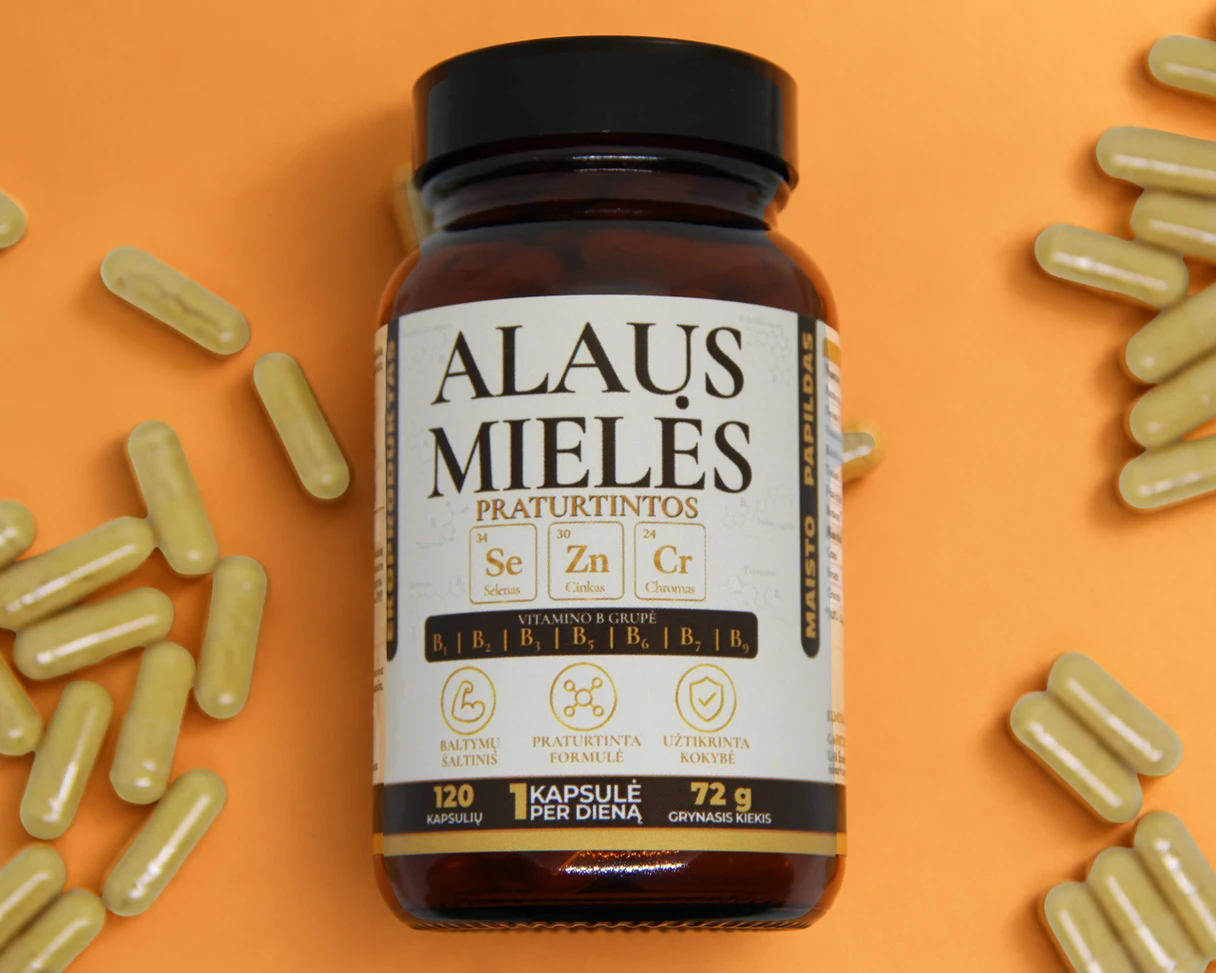
Ekoproduktas enriched brewer’s yeast capsules contain:
Each capsule contains 510 mg of product, and the recommended intake is one capsule per day.
Brewer’s yeast powder makes up 97.8% of the product.
Important: Vitamin B12 is not listed in the composition of this particular product. Therefore, it should not be considered a source of vitamin B12.
Looking for a Convenient Way to Supplement Your Daily Diet?
Brewer’s Yeast vs. Nutritional Yeast: What’s the Difference?
The terms “brewer’s yeast” and “nutritional yeast” are sometimes used interchangeably, but they do not necessarily refer to the same product.
Brewer’s yeast generally refers to Saccharomyces yeast obtained from or used in the beer production process.
Nutritional yeast, on the other hand, is generally produced specifically for consumption as a food product.
Both types can be inactive, but they may differ in several ways:
When choosing between brewer’s yeast and nutritional yeast, it is best to examine the nutritional information and ingredient list rather than relying solely on the word “yeast” on the packaging.
B Vitamins for Vegetarians and Vegans
Many B vitamins can be obtained from a plant-based diet.
Legumes, nuts, seeds, grains, and green vegetables can provide a variety of B vitamins.
However, there is one important exception: vitamin B12.
Plant-based foods are not naturally reliable sources of vitamin B12.
Vegetarians, and especially vegans, should therefore ensure an adequate vitamin B12 intake through fortified foods or appropriate supplements.
When choosing brewer’s yeast or nutritional yeast, people following a vegan diet should always check whether vitamin B12 is actually listed on the product label.
Not all yeast products contain vitamin B12.
B Vitamins During Pregnancy: Why Is Folate Important?
Folic acid is a synthetic form of folate, also known as vitamin B9.
Folate requirements increase during pregnancy because folate plays a role in cell division and contributes to maternal tissue growth during pregnancy.
Recommendations regarding folic acid supplementation before and during pregnancy should be discussed with a doctor or another qualified healthcare professional.
Although Ekoproduktas enriched brewer’s yeast contains folic acid, this dietary supplement should not be used independently as a replacement for a folic acid supplement recommended during pregnancy, unless advised by a healthcare professional.
Are B Vitamins Linked to Digestive Health?
Nutrition, digestive health, and nutrient absorption are closely connected.
Certain gastrointestinal conditions may impair the absorption of specific vitamins.
However, bloating, abdominal discomfort, and other digestive problems can have many different causes and should not automatically be attributed to vitamin B deficiency.
If you experience digestive discomfort after starting a new dietary supplement, review the product’s recommended usage instructions and pay attention to your body’s individual response.
How Can You Tell If You Really Have a Vitamin B Deficiency?
The most important rule is not to make a diagnosis based solely on a list of symptoms found online.
Fatigue, skin changes, difficulty concentrating, and digestive problems are non-specific symptoms that may have many different causes.
You should consult a healthcare professional if your symptoms:
If necessary, your doctor may recommend appropriate tests to determine whether you have a deficiency in a specific vitamin or another nutrient.
How to Get Enough B Vitamins Every Day
The first step is to aim for a varied and balanced diet.
It is useful to include a combination of different food groups in your everyday meals.
1. Wholegrain Products
Choose wholegrain foods more often.
2. Vegetables and Legumes
Include green leafy vegetables, beans, lentils, and peas.
3. Protein Sources
Choose from eggs, fish, meat, dairy products, or appropriately selected plant-based alternatives.
4. Nuts and Seeds
Include a variety of nuts and seeds as part of a balanced diet.
5. Fortified Foods or Dietary Supplements When Needed
Dietary supplements should not replace a varied diet.
However, in certain circumstances, they may offer a convenient way to supplement your nutritional intake.

Frequently Asked Questions About B Vitamins
What Are the Most Common Symptoms of Vitamin B Deficiency?
Symptoms depend on the specific vitamin involved.
Possible symptoms include fatigue, weakness, skin or mucous membrane changes, difficulty concentrating, anaemia, and neurological symptoms.
A deficiency cannot be diagnosed based on symptoms alone.
Which B Vitamin Is Important for Energy?
Several B vitamins contribute to normal energy metabolism, including B1, B2, B3, B5, B6, and biotin.
There is therefore no single vitamin that can be described as the only “energy vitamin”.
Does Brewer’s Yeast Contain B Vitamins?
Yes, brewer’s yeast can contain B vitamins, but the amounts vary depending on the specific product.
Some brewer’s yeast products are additionally enriched with vitamins and minerals.
Does Brewer’s Yeast Contain Vitamin B12?
Not necessarily.
Always check the nutritional information on the product label.
Vitamin B12 is not listed in the composition of Ekoproduktas enriched brewer’s yeast capsules.
Are B Vitamins Suitable for Vegetarians?
Many B vitamins can be obtained from a vegetarian or plant-based diet.
However, vitamin B12 requires particular attention because its natural dietary sources are mainly animal-derived.
Can Vitamin B Deficiency Cause Fatigue?
A deficiency in certain B vitamins can be one possible cause of fatigue.
However, fatigue can also result from many other conditions.
If fatigue persists, it is important to investigate the underlying cause rather than assuming you have a vitamin deficiency.
B Vitamins: An Important Part of a Varied Diet
B vitamins perform numerous functions in the body, from supporting normal energy metabolism to contributing to nervous system function and the maintenance of normal skin.
However, it is important to remember that the B vitamin group does not consist of a single vitamin.
Different B vitamins have different dietary sources, functions, and potential deficiency symptoms.
A varied diet should remain the primary source of nutrients.
When choosing a dietary supplement, it is important to look beyond general marketing promises and evaluate the specific product composition and its declared vitamin and mineral content.
Enriched Brewer’s Yeast to Supplement Your Daily Diet
Food supplements should not be used as a substitute for a varied and balanced diet and a healthy lifestyle.
Sources and References
This article has been prepared using information from the European Commission’s EU Register of Nutrition and Health Claims, EU food labelling legislation, and the US National Institutes of Health (NIH) Office of Dietary Supplements.
The information provided in this article is for general informational purposes only and does not replace advice from a doctor, pharmacist, or registered dietitian.