Acne is not only a concern for teenagers but also affects many adults. This condition can cause significant discomfort and negatively impact self-confidence. One way to fight acne is by using effective products that have recently been gaining popularity to help improve skin condition. In this article, we will share how brewer’s yeast can help address these issues and work preventively to reduce the likelihood of acne formation.
What Is Brewer’s Yeast?
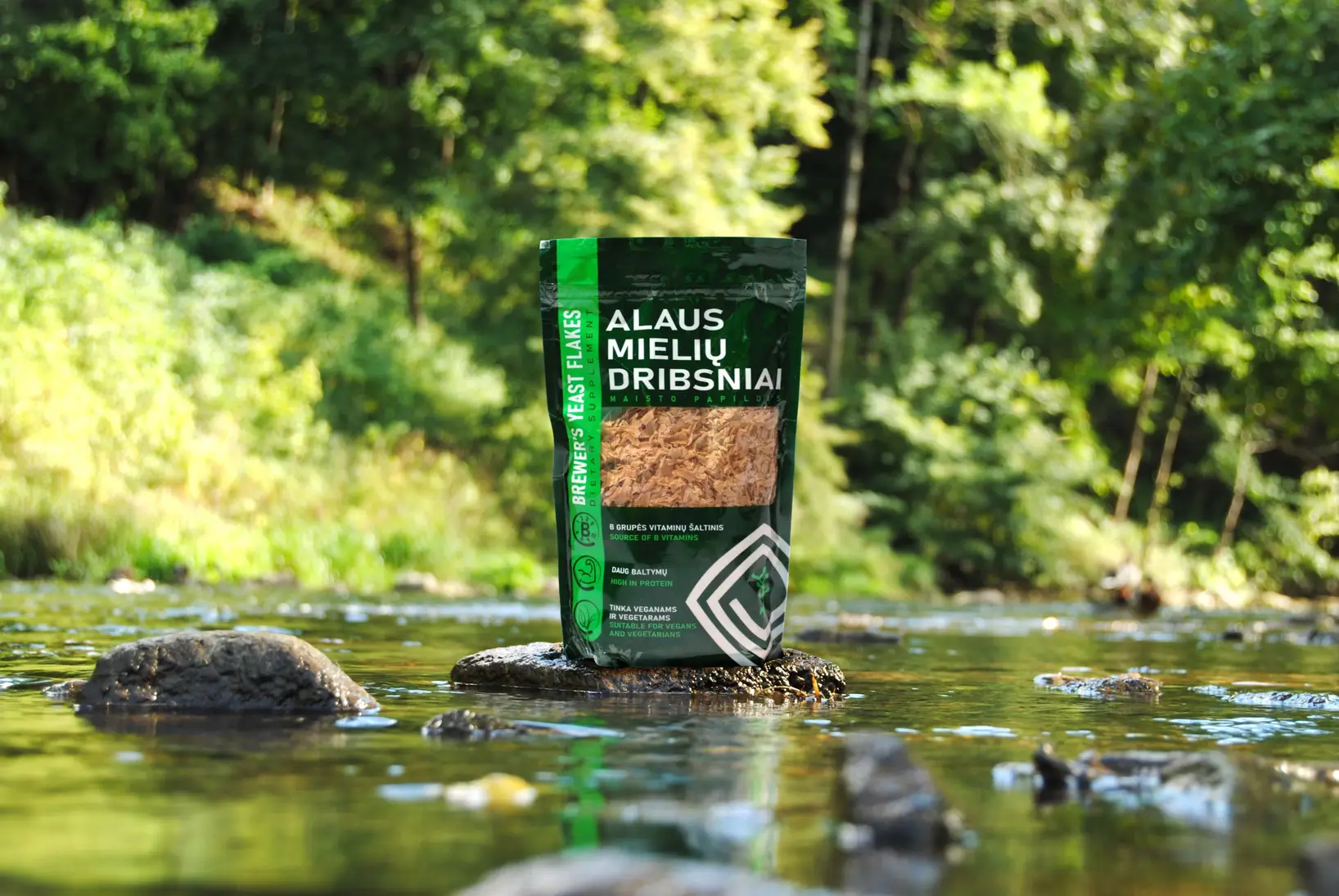
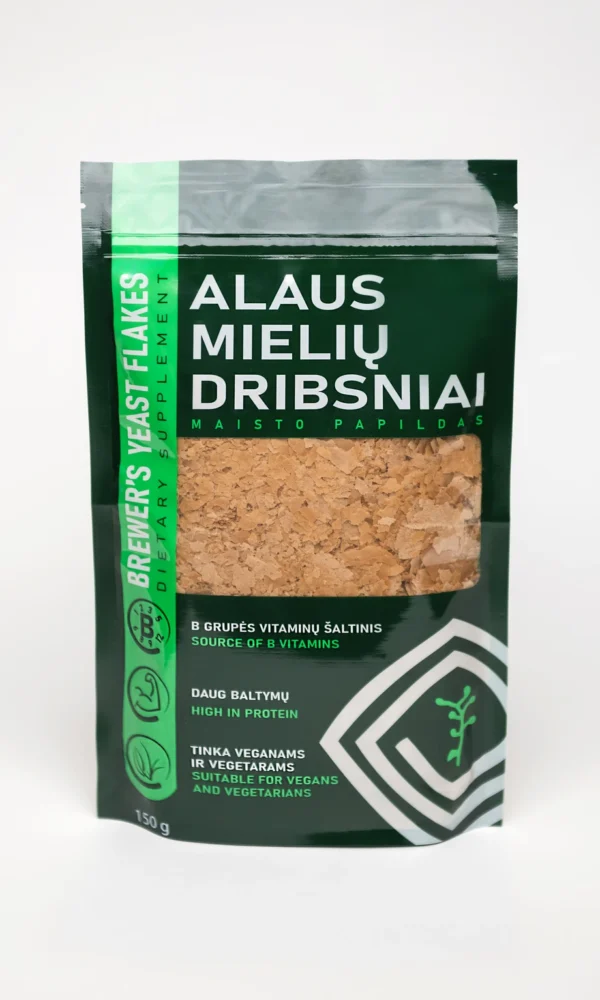
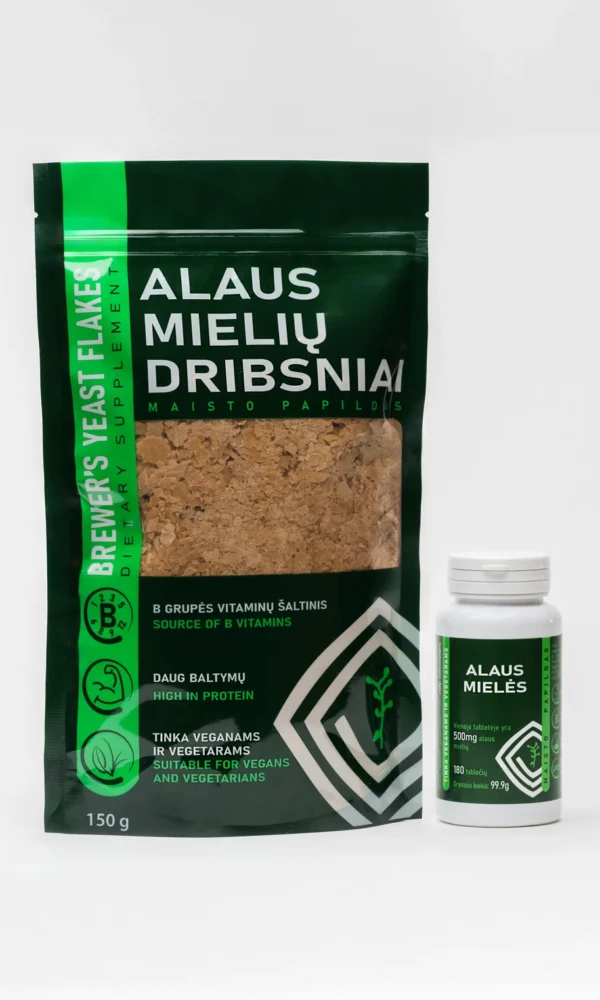
Brewer’s yeast is a natural product obtained during the beer fermentation process. It is a natural source of B vitamins, protein, chromium, selenium, and other essential minerals. Due to its unique composition, brewer’s yeast has become a popular dietary supplement, especially among those looking to improve skin condition, overall well-being, and increase B-group vitamins in the body.
Brewer’s Yeast Composition and Benefits for the Skin
Vitamin B1 (Thiamine): May help regulate oil production in the skin. Excessive sebum production can contribute to the formation of acne.
Vitamin B2 (Riboflavin): Can promote skin cell regeneration, reduce inflammation, and help maintain healthy skin.
Vitamin B3 (Niacin): Can help reduce skin redness and inflammation caused by deep acne.
Chromium: May help regulate blood sugar levels, which may influence acne development.
Selenium: Can act as an antioxidant, protecting skin cells from oxidative stress and reducing inflammatory reactions.
How Does Brewer’s Yeast Help Fight Deep Acne?
Brewer’s yeast can be an effective aid in treating acne due to several of its properties. First, the B-group vitamins can help regulate oil production in the skin, preventing clogged pores. Additionally, brewer’s yeast can promote skin cell renewal, which may help acne heal faster and reduce the risk of scarring.
Benefits of Use
Natural product: Brewer’s yeast is a natural supplement with very rare and usually mild side effects.
Broad benefits: In addition to improving skin condition, brewer’s yeast may support overall health, strengthen the immune system, and help regulate digestive function.
There are two main ways to use brewer’s yeast to improve skin condition and reduce deep acne: internal use as a dietary supplement or external application directly to problem areas on the skin.
Internal Use as a Dietary Supplement
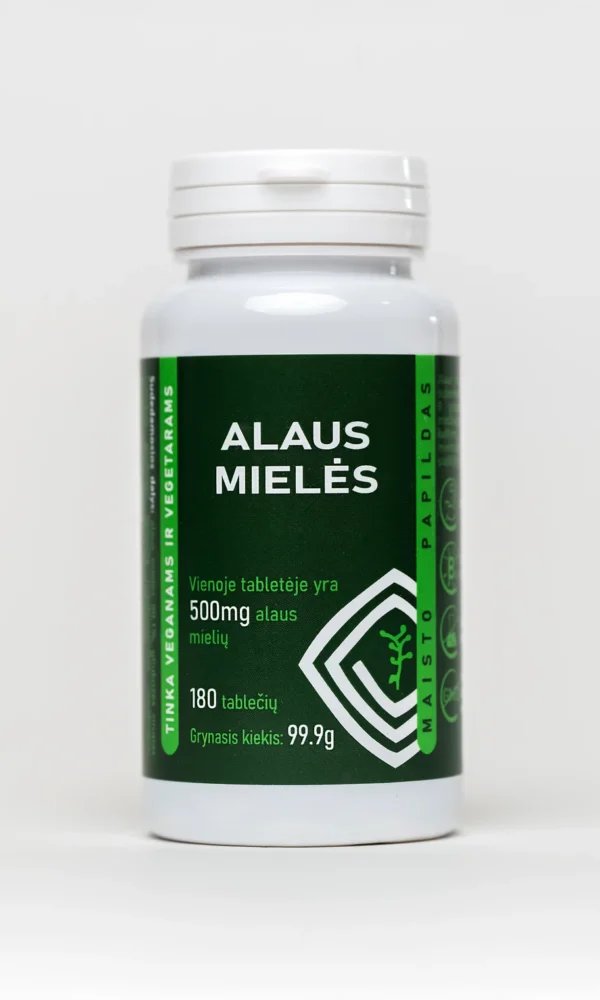
Brewer’s yeast can be taken daily as a dietary supplement. It can be mixed with water, juice, or added to food such as porridge or yogurt. The recommended dosage may vary, but it is advised to start with smaller amounts (e.g., one teaspoon per day) and gradually increase to the daily dose recommended on the product packaging. This allows you to monitor your body’s reaction and any potential side effects.
Benefits:
When taken internally, brewer’s yeast may regulate oil production and reduce inflammatory processes in the skin.
You may experience benefits not only for your skin but also for your overall health.
Acne and Topical Use of Brewer’s Yeast
Brewer’s yeast can also be used externally by applying it to the skin as a mask or directly to acne-prone areas. Here’s how to prepare a thick paste:
Mix two tablespoons of brewer’s yeast (powder form) with water or natural yogurt until a thick paste forms.
Apply the paste to the skin, especially on problem areas with deep acne.
Leave the paste on for 15–20 minutes.
Rinse with warm water and gently pat the skin dry.
Direct effect: Topical use may help reduce inflammation and limit bacterial growth in acne-prone areas.
Gentle cleansing: Brewer’s yeast cleanses the skin without damaging its natural protective barrier.
How Often Should Brewer’s Yeast Be Used?
It is recommended to use a brewer’s yeast mask/paste 1–2 times per week. Dietary supplements can be taken daily or according to the manufacturer’s instructions. It is important to monitor skin reactions and digestive changes, and if any side effects occur, reduce the dosage or frequency.
Possible Side Effects and How to Avoid Them
Although natural remedies are generally safe, caution is still necessary, as some people may experience side effects from certain ingredients. Before applying any new product to the skin, it is recommended to perform a simple allergy test. Apply a small amount of the product to the skin and wait a few hours. If no allergic reaction, redness, swelling, or irritation occurs, the product can be safely used in larger amounts.
Pros and Cons of Using Brewer’s Yeast
Pros:
Natural: Brewer’s yeast is a natural product without added chemicals or artificial additives.
Versatile benefits: In addition to improving skin condition, brewer’s yeast may help regulate blood sugar levels, strengthen immunity, and support healthy digestion.
Minimal side effects: Most people tolerate brewer’s yeast well; side effects are rare. The most commonly reported symptom is mild bloating.
Cons:
Taste: Some people dislike its bitterness, which may make brewer’s yeast supplements unpleasant to consume.
Allergic reactions: Although rare, some individuals may be allergic to brewer’s yeast. Possible reactions include intolerance and bloating.
Summary
Brewer’s yeast can be an effective tool in the fight against acne, but it is important to remember that everyone’s skin is unique. What works well for one person may not be as effective for another. Nevertheless, natural remedies are always a great starting point when searching for a suitable solution. If you are ready to try natural methods, brewer’s yeast may be an excellent addition to your skincare routine.